Buy escrouen.eu ?
We are moving the project
escrouen.eu .
Are you interested in purchasing the domain
escrouen.eu ?
domain@kv-gmbh.de · 0541-91531010
Buy escrouen.eu ?
What are abiotic factors in ecology?
Abiotic factors in ecology are non-living components of an ecosystem that can influence the living organisms within it. These factors include physical and chemical elements such as temperature, sunlight, water, soil, air, and nutrients. Abiotic factors play a crucial role in shaping the environment and determining the types of organisms that can survive in a particular ecosystem. They can also affect the distribution, behavior, and abundance of species within an ecosystem. **
What are abiotic factors in the Antarctic?
Abiotic factors in the Antarctic include extreme cold temperatures, strong winds, low precipitation, and high levels of ultraviolet radiation due to the hole in the ozone layer. The frozen landscape is also a significant abiotic factor, as the ice and snow cover much of the continent. These abiotic factors create a harsh environment that shapes the unique ecosystems and limits the types of organisms that can survive in the Antarctic. **


Similar search terms for Abiotic Climate
Top-Angebote
Products related to Abiotic Climate:
-
Drop Dash Deals Neo Wedge LED Dash Bulbs, Climate Control Instrument Panel Lights Neo Wedge LED Dash Bulbs, Climate Control Instrument Panel LightsUpgrade Your Cars Lighting with LED Dash Switch Bulbs Transform your vehicle's interior with these 20 pcs highperformance LED Dash Switch bulbs, designed specifically for DC 12V automotive applications. The low power consumption of just 20mA per...49,97 $*Shipping: 0,00 $Secure redirect to the provider
-
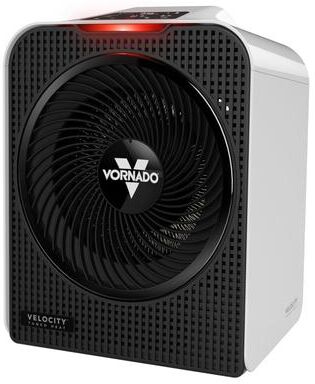
Vornado Velocity 5 Whole Room Space Heater with Auto Climate ControlINCREASED PERFORMANCE – The Velocity 5 heater features Velocity Tuned Heat technology, delivering hotter heat with superior efficiency. Its advanced aerodynamics push air further and faster, increasing warmth throughout your space.114,99 $*Shipping: 0,00 $Secure redirect to the provider
-
Blue Ridge Home Fashions, Inc. Sleep Climate Mattress Pad White, Twin, WhiteThe Sleep Climate(TM) Mattress Pad ensures the conditions are perfectly set for a restful night's sleep. The white 300 T.C. mattress pad features a classic box-quilted design with polyester microfiber backing and a polyester knit skirt that...69,99 $*Shipping: 15,95 $Secure redirect to the provider



-
Do tides belong to the abiotic environmental factors?
Yes, tides belong to the abiotic environmental factors. Abiotic factors are non-living components of an ecosystem, and tides are the result of the gravitational pull of the moon and the sun on the Earth's oceans. Tides play a significant role in shaping coastal ecosystems and influencing the distribution of marine organisms. Therefore, they are considered an important abiotic factor in marine environments. **
-
What do abiotic and biotic environmental factors mean?
Abiotic environmental factors refer to non-living components of an ecosystem, such as temperature, sunlight, water, and soil. These factors can have a significant impact on the survival and distribution of living organisms within an ecosystem. Biotic environmental factors, on the other hand, refer to the living components of an ecosystem, including plants, animals, and microorganisms. These factors can also influence the dynamics of an ecosystem through interactions such as predation, competition, and symbiosis. Both abiotic and biotic factors play crucial roles in shaping the structure and function of ecosystems. **
-
What are abiotic and biotic factors in biology?
Abiotic factors in biology are non-living components of an ecosystem, such as temperature, sunlight, water, and soil. These factors can have a significant impact on the organisms living in the ecosystem. Biotic factors, on the other hand, are living components of an ecosystem, including plants, animals, fungi, and microorganisms. These factors interact with each other and with the abiotic factors to create a complex and dynamic environment. Both abiotic and biotic factors play crucial roles in shaping the structure and function of ecosystems. **
-
What are abiotic and biotic factors for humans?
Abiotic factors for humans include non-living elements such as air quality, temperature, and sunlight exposure. These factors can directly impact human health and well-being. Biotic factors for humans involve living organisms that interact with humans, such as pathogens, parasites, and symbiotic organisms like gut bacteria. These factors can also have significant effects on human health and disease. **


What are application tasks related to abiotic factors?
Application tasks related to abiotic factors involve studying the impact of non-living elements such as temperature, water availability, soil composition, and sunlight on various ecosystems. Researchers may investigate how changes in these abiotic factors affect plant growth, animal behavior, and overall ecosystem health. Understanding these relationships is crucial for predicting and managing the effects of climate change, land use changes, and other environmental disturbances on ecosystems. By studying abiotic factors, scientists can develop strategies to conserve biodiversity, restore degraded habitats, and promote sustainable resource management. **
What biotic and abiotic factors affect the wolf?
Biotic factors that affect the wolf include the availability of prey species such as deer, elk, and moose, as well as competition with other predators like bears and cougars. Additionally, the presence of other wolf packs can also impact their territory and hunting success. Abiotic factors that affect wolves include climate, temperature, and the availability of water sources. Harsh winters and limited access to water can impact their ability to survive and thrive in their environment. **
Top-Angebote
Products related to Abiotic Climate:
-
Brooks Brothers Climate ComforterGel fiber filling is known for being similar to that of silk due to fibers being so fine and soft. Pillows and comforters with special air canals, circulates the air during sleep and distribute heat homogeneously by performing inside air emission.128,99 $*Shipping: 0,00 $Secure redirect to the provider
-
Drop Dash Deals LED Wedge Dash HVAC Climate Control Switch Bulbs For Automotive Lighting LED Wedge Dash HVAC Climate Control Switch Bulbs For Automotive LightingBrighten up your vehicles interior with these 20pcs LED light bulbs designed specifically for HVAC switches and climate control panels. Perfect for drivers who value both functionality and style, these bulbs provide longlasting illumination with...69,97 $*Shipping: 0,00 $Secure redirect to the provider
-
Drop Dash Deals Neo Wedge LED Dash Bulbs, Climate Control Instrument Panel Lights Neo Wedge LED Dash Bulbs, Climate Control Instrument Panel LightsUpgrade Your Cars Lighting with LED Dash Switch Bulbs Transform your vehicle's interior with these 20 pcs highperformance LED Dash Switch bulbs, designed specifically for DC 12V automotive applications. The low power consumption of just 20mA per...49,97 $*Shipping: 0,00 $Secure redirect to the provider
-
What are abiotic factors in ecology?
Abiotic factors in ecology are non-living components of an ecosystem that can influence the living organisms within it. These factors include physical and chemical elements such as temperature, sunlight, water, soil, air, and nutrients. Abiotic factors play a crucial role in shaping the environment and determining the types of organisms that can survive in a particular ecosystem. They can also affect the distribution, behavior, and abundance of species within an ecosystem. **
-
What are abiotic factors in the Antarctic?
Abiotic factors in the Antarctic include extreme cold temperatures, strong winds, low precipitation, and high levels of ultraviolet radiation due to the hole in the ozone layer. The frozen landscape is also a significant abiotic factor, as the ice and snow cover much of the continent. These abiotic factors create a harsh environment that shapes the unique ecosystems and limits the types of organisms that can survive in the Antarctic. **
-
Do tides belong to the abiotic environmental factors?
Yes, tides belong to the abiotic environmental factors. Abiotic factors are non-living components of an ecosystem, and tides are the result of the gravitational pull of the moon and the sun on the Earth's oceans. Tides play a significant role in shaping coastal ecosystems and influencing the distribution of marine organisms. Therefore, they are considered an important abiotic factor in marine environments. **
-
What do abiotic and biotic environmental factors mean?
Abiotic environmental factors refer to non-living components of an ecosystem, such as temperature, sunlight, water, and soil. These factors can have a significant impact on the survival and distribution of living organisms within an ecosystem. Biotic environmental factors, on the other hand, refer to the living components of an ecosystem, including plants, animals, and microorganisms. These factors can also influence the dynamics of an ecosystem through interactions such as predation, competition, and symbiosis. Both abiotic and biotic factors play crucial roles in shaping the structure and function of ecosystems. **
Similar search terms for Abiotic Climate
-
Vornado Velocity 5 Whole Room Space Heater with Auto Climate ControlINCREASED PERFORMANCE – The Velocity 5 heater features Velocity Tuned Heat technology, delivering hotter heat with superior efficiency. Its advanced aerodynamics push air further and faster, increasing warmth throughout your space.114,99 $*Shipping: 0,00 $Secure redirect to the provider
-
Blue Ridge Home Fashions, Inc. Sleep Climate Mattress Pad White, Twin, WhiteThe Sleep Climate(TM) Mattress Pad ensures the conditions are perfectly set for a restful night's sleep. The white 300 T.C. mattress pad features a classic box-quilted design with polyester microfiber backing and a polyester knit skirt that...69,99 $*Shipping: 15,95 $Secure redirect to the provider
-
Beacon Lighting Fan with Light Climate IV brass/walnut, quiet IV, dimmable, Dark wood, Living / Dining Room, Plastic, Modern, Ceiling Fans with LightingThe housing of the Climate IV LED ceiling fan is made of aluminium. Its three blades are made of ABS plastic. It has a summer and winter function (return). So in winter it can help distribute warm air in the room and save heating costs. Equipped with light. Incl. replaceable, warm white shining and 3-stage dimmable GX53 light source. With remote control (batteries included).- Can be mounted on sloping ceilings (max. 10°) thanks to ball joint- Maximum air circulation: 162 m³/min.- Speed per speed:- 76 rpm. (3 W)- 100 rpm.- 120 rpm.- 136 rpm.- 152 rpm.- 178 rpm. (35 W)- equipped with quiet DC motor - also suitable for bedrooms380,69 £*Shipping: 4,99 £Secure redirect to the provider
-
Blue Ridge Home Fashions, Inc. Sleep Climate Mattress Pad White, Queen, WhiteThe Sleep Climate(TM) Mattress Pad ensures the conditions are perfectly set for a restful night's sleep. The white 300 T.C. mattress pad features a classic box-quilted design with polyester microfiber backing and a polyester knit skirt that...89,99 $*Shipping: 15,95 $Secure redirect to the provider
-
What are abiotic and biotic factors in biology?
Abiotic factors in biology are non-living components of an ecosystem, such as temperature, sunlight, water, and soil. These factors can have a significant impact on the organisms living in the ecosystem. Biotic factors, on the other hand, are living components of an ecosystem, including plants, animals, fungi, and microorganisms. These factors interact with each other and with the abiotic factors to create a complex and dynamic environment. Both abiotic and biotic factors play crucial roles in shaping the structure and function of ecosystems. **
-
What are abiotic and biotic factors for humans?
Abiotic factors for humans include non-living elements such as air quality, temperature, and sunlight exposure. These factors can directly impact human health and well-being. Biotic factors for humans involve living organisms that interact with humans, such as pathogens, parasites, and symbiotic organisms like gut bacteria. These factors can also have significant effects on human health and disease. **
-
What are application tasks related to abiotic factors?
Application tasks related to abiotic factors involve studying the impact of non-living elements such as temperature, water availability, soil composition, and sunlight on various ecosystems. Researchers may investigate how changes in these abiotic factors affect plant growth, animal behavior, and overall ecosystem health. Understanding these relationships is crucial for predicting and managing the effects of climate change, land use changes, and other environmental disturbances on ecosystems. By studying abiotic factors, scientists can develop strategies to conserve biodiversity, restore degraded habitats, and promote sustainable resource management. **
-
What biotic and abiotic factors affect the wolf?
Biotic factors that affect the wolf include the availability of prey species such as deer, elk, and moose, as well as competition with other predators like bears and cougars. Additionally, the presence of other wolf packs can also impact their territory and hunting success. Abiotic factors that affect wolves include climate, temperature, and the availability of water sources. Harsh winters and limited access to water can impact their ability to survive and thrive in their environment. **
* All prices are inclusive of VAT and, if applicable, plus shipping costs. The offer information is based on the details provided by the respective shop and is updated through automated processes. Real-time updates do not occur, so deviations can occur in individual cases. ** Note: Parts of this content were created by AI.